Wildfire preparedness isn’t just for homeowners who live in the woods. Homes in rural areas, suburbs, and cities can all be vulnerable to wildfire—particularly from wind-blown embers

Dated: August 13 2026
Views: 81
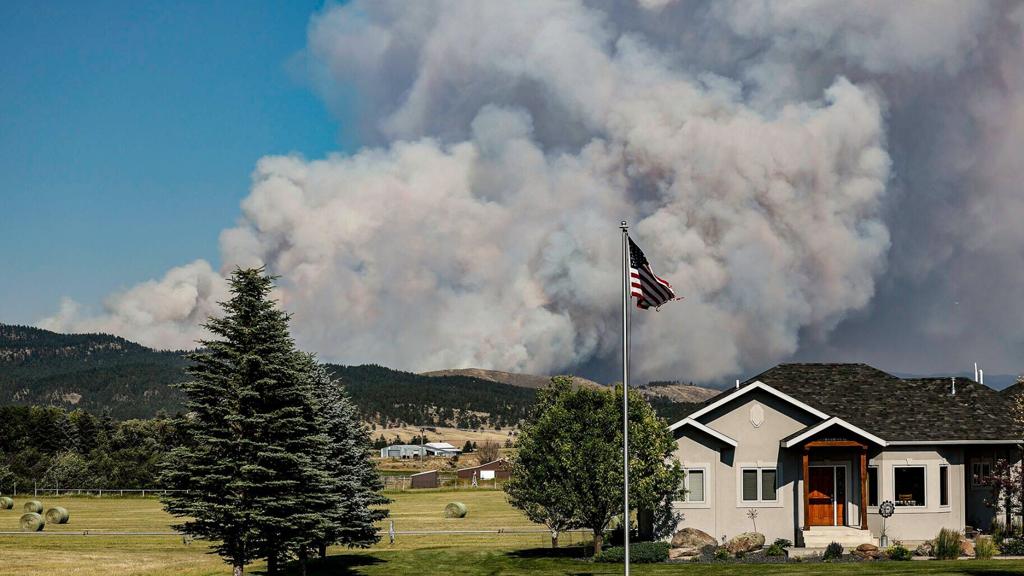
Wildfire preparedness isn’t just for homeowners who live in the woods. Homes in rural areas, suburbs, and cities can all be vulnerable to wildfire—particularly from wind-blown embers that can travel well beyond the edge of a fire. The good news is that homeowners can take practical steps to make their properties more resistant to ignition.
Think of wildfire protection as a combination of maintaining the property around your home, reducing places where embers can collect, and strengthening vulnerable parts of your most valuable asset.
Start With the First Five Feet
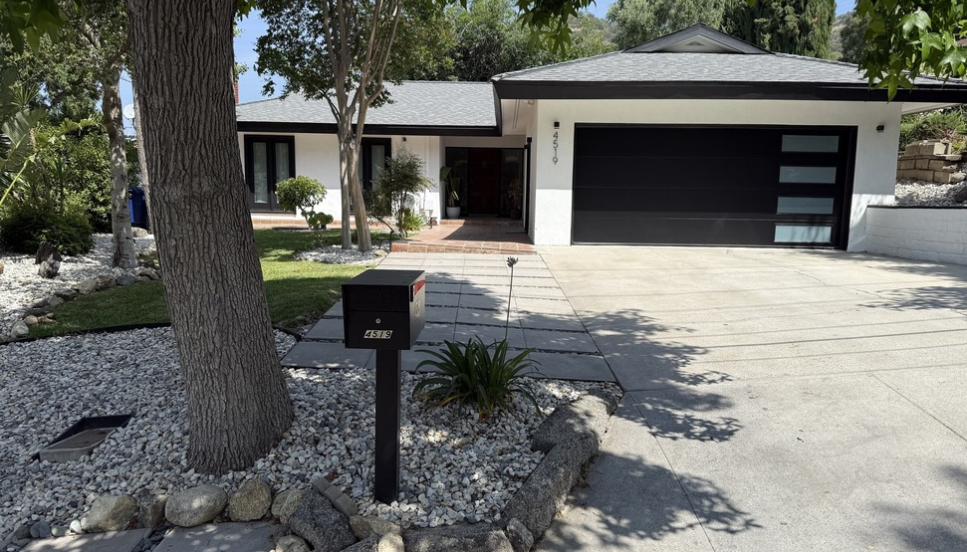
One of the most useful places to begin is the area immediately surrounding your home.
Create a 0–5 foot noncombustible zone around the house and attached structures. Remove leaves, pine needles, dead vegetation, wood mulch and other combustible materials from this area. Consider gravel, stone, concrete or other noncombustible surfaces instead.
This advice applies even when your yard is small. In fact, homeowners in established neighborhoods can often make a meaningful difference simply by focusing on this area.
Keep Your Roof and Gutters Clear
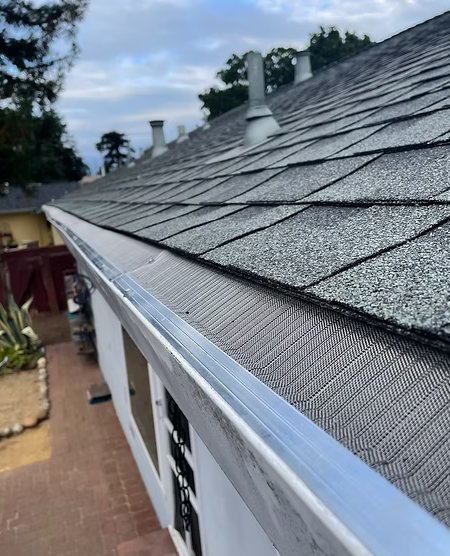
Your roof is one of the most important parts of your home's wildfire defense.
Regularly remove leaves, needles and other debris from the roof and gutters. Keep branches from overhanging the roof, and repair loose or missing roofing materials. When reroofing, consider Class A fire-rated roofing, such as appropriate metal, tile or composite roofing products.
Don't forget the spaces that aren't immediately visible. Vents can provide an entry point for embers, so homeowners should consider ember-resistant venting or appropriate metal screening.
Take a Look Under the Deck
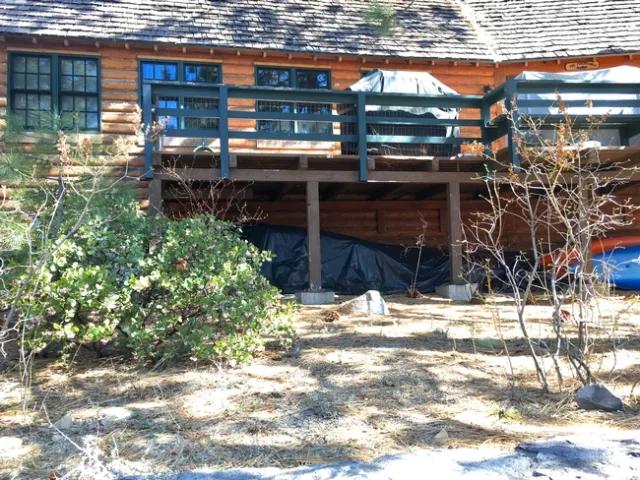
Decks, porches and patios can collect leaves and other combustible debris—and material underneath a deck can provide fuel for a fire.
Keep the area beneath decks clear. Regularly clean between deck boards and remove leaves, needles and dead vegetation. Avoid storing firewood, cardboard, furniture cushions, propane or other combustible materials underneath or immediately next to the home.
Manage Vegetation, Not Just Trees
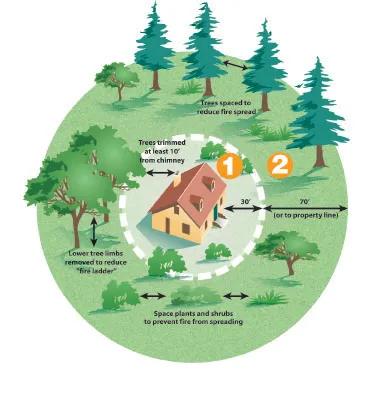
Fire-smart landscaping doesn’t mean removing every tree. The goal is to reduce continuous fuel and create separation between vegetation and the home.
As you move farther from the house, prune dead and dying branches, remove accumulated vegetation and maintain separation between grasses, shrubs and trees. On larger properties, creating breaks such as driveways, gravel paths and maintained lawn areas can help interrupt the path of fire.
Don't Forget Fences, Sheds and Other Structures
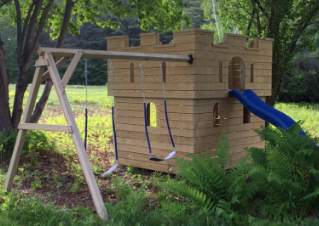
A wildfire doesn't necessarily have to reach your house directly to threaten it. A burning fence, shed, woodpile or other combustible item can become a pathway for fire.
This is particularly important in suburban neighborhoods, where homes may be close together. Your home's wildfire risk can be affected by what is happening on neighboring properties, too.
Your Easy Wildfire Home Checklist
Around the Home
Roof, Gutters & Vents
Yard & Landscaping
Property & Neighborhood
Insurance & Emergency Planning
A Little Preparation Can Make a Big Difference
Wildfire preparedness doesn't have to mean tackling every project at once. Start with the first five feet around your home, the roof and gutters, and anything combustible stored against the house. Then work outward through your landscaping and property.
Wildfire Resources
For homeowners who want to learn more, these organizations offer reliable, practical guidance:
Wildfire conditions and local requirements vary. Check with your local fire department, forestry agency and applicable building or vegetation-management authorities for recommendations specific to your property.
Sources

Dave works diligently behind the scenes to make Real Estate easy for you. He services clients in Washington and Oregon and joined NextHome Realty Connection to grow his business. Real Estate draws on ....
Wildfire preparedness isn’t just for homeowners who live in the woods. Homes in rural areas, suburbs, and cities can all be vulnerable to wildfire—particularly from wind-blown embers
If you're waiting for mortgage rates to fall a lot before you buy, you may be waiting a while. But before you get discouraged, there's a number working behind the scenes that's actually good for you
August 3, 2026 | Real EstateCheck Out My Instagram Reel On This SubjectWe're closing in on almost 2 million acres burned in Oregon this summer. And somewhere between the smoke advisories and the air
TL;DR: The short version for people in a hurry 35% of builders (1 in 3) cut prices on new homes in June 2026Average price cut: 6%On a $500K home, that's $30,000 back in your pocketSavings don't
 All information provided is deemed reliable but is not guaranteed and should be independently verified. IDX information is provided exclusively for consumers' personal, non-commercial use, that it may not be used for any purpose other than to identify prospective properties consumers may be interested in purchasing, and that the data is deemed reliable but is not guaranteed accurate by RMLSTM.
The content relating to real estate for sale on this web site comes in part from the IDX program of the RMLSTM of Portland, Oregon. Real estate listings held by brokerage firms other than NextHome Realty Connection are marked with the RMLSTM logo, and detailed information about these properties includes the names of the listing brokers. Listing content is copyright © 2026 RMLSTM, Portland, Oregon.
This content last updated on September 23, 2026 3:54 PM UTC at 4 AM. Some properties which appear for sale on this web site may subsequently have sold or may no longer be available.
All information provided is deemed reliable but is not guaranteed and should be independently verified. IDX information is provided exclusively for consumers' personal, non-commercial use, that it may not be used for any purpose other than to identify prospective properties consumers may be interested in purchasing, and that the data is deemed reliable but is not guaranteed accurate by RMLSTM.
The content relating to real estate for sale on this web site comes in part from the IDX program of the RMLSTM of Portland, Oregon. Real estate listings held by brokerage firms other than NextHome Realty Connection are marked with the RMLSTM logo, and detailed information about these properties includes the names of the listing brokers. Listing content is copyright © 2026 RMLSTM, Portland, Oregon.
This content last updated on September 23, 2026 3:54 PM UTC at 4 AM. Some properties which appear for sale on this web site may subsequently have sold or may no longer be available.
 Based on information from Willamette Valley Multiple Listing Service, which neither guarantees nor is in any way responsible for its accuracy. All data is provided AS IS and with all faults. Data maintained by Willamette Valley Multiple Listing Service may not reflect all real estate activity in the market. Copyright © 2026 WVMLS. All Rights Reserved. Information last updated on September 23, 2026 4:28 PM UTC
 All information deemed reliable but not guaranteed. All properties are subject to prior sale, change or withdrawal. Neither listing broker(s) or information provider(s) shall be responsible for any typographical errors, misinformation, misprints and shall be held totally harmless. Listing(s) information is provided for consumer's personal, non-commercial use and may not be used for any purpose other than to identify prospective properties consumers may be interested in purchasing. The data relating
to real estate for sale on this website comes in part from the Internet Data Exchange program of the Multiple Listing Service. Real estate listings held by brokerage firms other than NextHome Realty Connection may be marked with the Internet Data Exchange logo and detailed information about those properties will include the name of the listing broker(s) when required by the MLS. Copyright ©2026 All rights reserved.
Last Updated: September 23, 2026 4:42 PM UTC
Show More...
All information deemed reliable but not guaranteed. All properties are subject to prior sale, change or withdrawal. Neither listing broker(s) or information provider(s) shall be responsible for any typographical errors, misinformation, misprints and shall be held totally harmless. Listing(s) information is provided for consumer's personal, non-commercial use and may not be used for any purpose other than to identify prospective properties consumers may be interested in purchasing. The data relating
to real estate for sale on this website comes in part from the Internet Data Exchange program of the Multiple Listing Service. Real estate listings held by brokerage firms other than NextHome Realty Connection may be marked with the Internet Data Exchange logo and detailed information about those properties will include the name of the listing broker(s) when required by the MLS. Copyright ©2026 All rights reserved.
Last Updated: September 23, 2026 4:42 PM UTC
Show More...
